
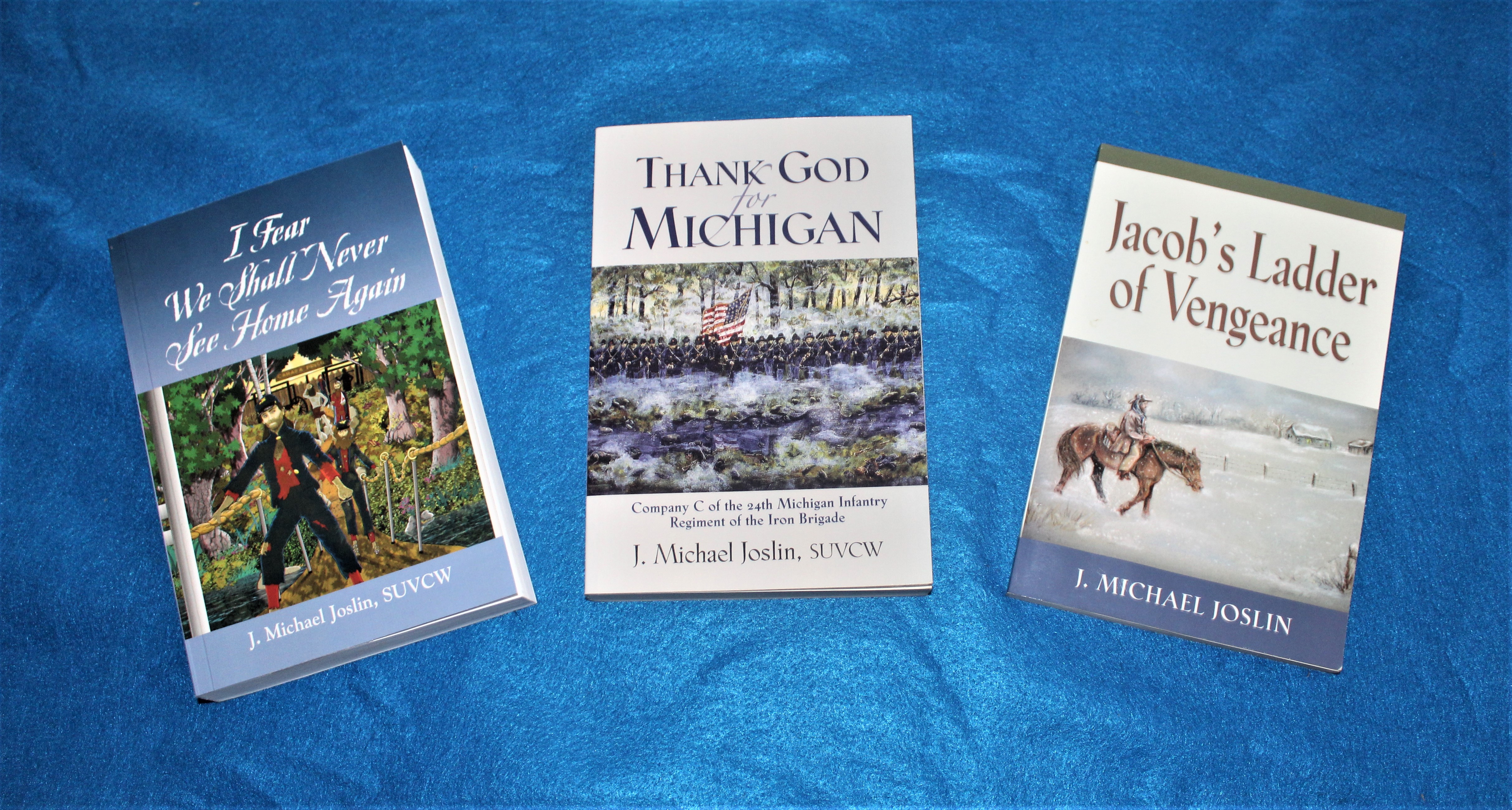
I am an author of historical novels, or historical fiction. I have discovered that people who prefer non-fiction when reading of historical events, sometimes shy away from any books that have the words fiction of novel as the genre, and may not purchase the book because of it, thinking that the entire book contains entirely made up events. Frustrated by that posibility, I searched for an explanation that could possibly convince the doubters that historical novels are worth reading. What I found is the following:
“Historical Fiction is one of those sub-genres of literature that takes many forms. It’s most important feature, though, is that it’s set in the past, with every element of the story conforming to the norms of the day. Here’s how we define Historical Fiction, a look at its origins, and some popular types.
“Historical Fiction” Definition
Historical Fiction is a story that takes readers to a time and place in the past. How far back in time does an author have to go for their work to be considered Historical Fiction? A good rule of thumb is a minimum of 50 years. The idea is to take readers out of the events of their lifetime. Most book lovers agree that Historical Fiction is the closest we’ll get to actual time travel.
What makes a historical novel believable is its setting. Historical Fiction is set in a real place, during a culturally recognizable time. The details and the action in the story can be a mix of actual events and ones from the author’s imagination as they fill in the gaps. Characters can be pure fiction or based on real people (often, it’s both). But everything about them — their attitudes and look, the way they speak, and problems they face — should match the era. Of course the key to an author getting all of this right is research. Authors are always allowed artistic license, but the most satisfying works of Historical Fiction have been researched down to every scent, button, turn of phrase, and cloud in the sky.” From Celadon Books
 Olde American Workshop
Hello Mike: Your book is one of the best on the common soldier in the Civil War, covering enlistment, training, campaigning, battle, prison, and of course, the voyage on the Sultana. I was glad to be a small part of your writing experience. I highly recommend this book to anyone interested in the life of a Civil War soldier and the experiences of some of the men on the steamboat Sultana. Gene Salecker
Hello Gene:
Thank you for that, it means a lot to me.
When I discovered a comment from you, it only showed about half of the first sentence because I had to give approval before they published it. I am still learning this website business so I had to figure out where to go in order to approve your comment.
I sent emails to the Sultana Museum, to Jonathan Matthews at Cahaba, and to the Andersonville gift shop. I have yet to hear from the first two, but I did hear from Andersonville. The problem here is that the gift shop is apparently run by americannationalparks.org. They have a bunch of forms that I would be required to fill out before they even give me approval. Frankly, I am a somewhat intelligent man but, a lot of what they ask I don’t understand at all. I think I may pass on that one.
Mike